
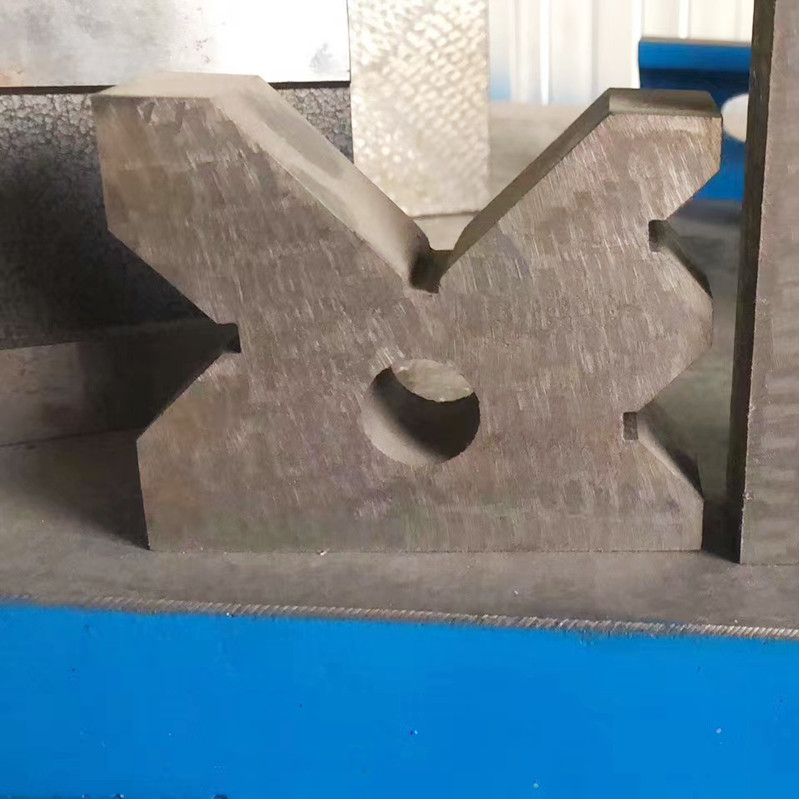
oem tinted glass
Måling av vaterpass En Nøkkel til Presisjon Vaterpass er et uunnværlig verktøy i både byggeteknikk og hjemmeforbedring; det sikrer at overflater er nivåert og godt utformet. Det er en enkel enhet, men dens betydning kan ikke undervurderes. I denne artikkelen vil vi se nærmere på hva et vaterpass er, hvordan det fungerer, og hva vi må tenke på når vi bruker det. Hva er vaterpass? Vaterpass, også kjent som nivåer, er et instrument som brukes til å bestemme om en overflate er horisontal (når den er vannrett) eller vertikal (når den er loddrett). Den er vanligvis laget av et langt, rektangulært stykke materiale, ofte aluminium eller plast, med en glassbeholder fylt med væske – typisk en blanding av vann og alkohol – og en liten luftboble. Når instrumentet plasseres på en overflate, vil boblen bevege seg til den høyeste punkten i væsken, og ved å lese posisjonen til boblen kan man avgjøre om flaten er i balanse. Hvordan fungerer vaterpass? De fleste vaterpass har minst to eller tre vaterbobler en for horisontale målinger, en for vertikale målinger, og noen ganger en for skrå målinger. For å bruke et vaterpass, plasseres det simpelthen på overflaten som skal måles. Hvis boblen er midt i området mellom to merkepunkter på glasset, er flaten perfekt nivåert. Hvis boblen flytter seg mot en av merkene, må overflaten justeres for å oppnå presisjon. Bruksområder for vaterpass Vaterpass brukes i mange situasjoner, fra store byggeprosjekter til mindre DIY-oppgaver. I byggebransjen er det essensielt for å sikre at fundamenter, vegger og tak er i riktig vinkel. For håndverkere og hobbyister er vaterpasset like viktig når man henger bilder, installerer hyller, eller bygger møbler. Uansett oppgave er nøyaktighet avgjørende for både estetikk og funksjonalitet. Tips for riktig bruk av vaterpass measuring spirit level For å få mest mulig ut av vaterpasset ditt, er det noen enkle tips å huske på 1. Rengjør vaterpasset før bruk Smuss eller støv på vaterpasset kan påvirke nøyaktigheten. Sørg for at både bobla og overflaten er rene. 2. Sjekk indikasjonene ofte Hvis vaterpasset har flere blubbles, husk å sjekke dem alle. Det kan være at en overflate er jevn i en retning, men ikke i en annen. 3. Bruk på en stabil overflate Sørg for at vaterpasset ditt ligger stabilt på overflaten som måles. En ustø plassering kan gi falske resultater. 4. Lag referanser Når du først har fått en overflate i nivå, kan det være nyttig å lage merker eller referanser for fremtidige prosjekter. 5. Oppbevar korrekt Etter bruk, oppbevar vaterpasset på et tørt og trygt sted for å unngå skader som kan påvirke nøyaktigheten. Konklusjon Måling med vaterpass er en essensiell ferdighet for alle som jobber med håndverk eller byggeprosjekter. Med riktig teknikk og vedlikehold kan dette enkle, men effektive verktøyet gi deg nøyaktigheten du trenger for å oppnå flotte og holdbare resultater. Enten du er en profesjonell entreprenør eller en helgekriger, vil et godt vaterpass være din beste venn i jakten på presisjon.
about
oem tinted glass
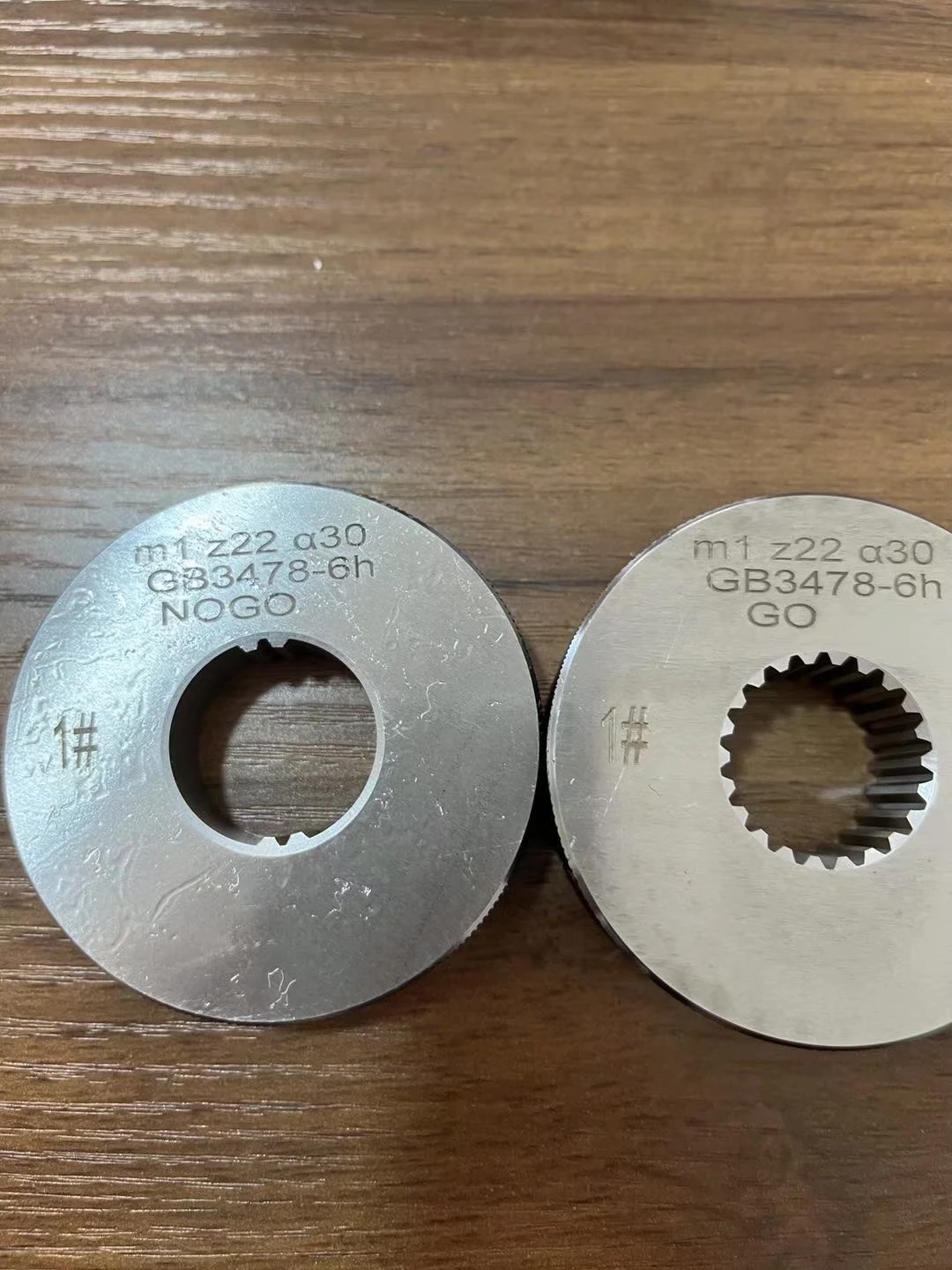
In the intricate world of industrial manufacturing, precision is not just a preference—it's a necessity. Every component, no matter how small, plays a crucial role in the functionality and reliability of the final product. Among the many tools that ensure this precision, plug gauges stand out as silent yet indispensable guardians of quality. They work behind the scenes, meticulously checking the dimensions of holes to make sure that every part fits together seamlessly. Without accurate plug gauges , the gears of modern manufacturing would quickly grind to a halt, resulting in costly errors and subpar products. Understanding these essential instruments, from their various types to the proper care and calibration of plain plug gauges , is key to maintaining the high - standards demanded by today's industries. Types of Plug Gauge Plug gauges are indispensable tools in manufacturing and quality control, available in diverse types to meet various measurement needs. Solid plug gauges , crafted from high - quality steel, are single - piece instruments ideal for measuring the diameter of relatively thin - walled holes with precision. Their simplicity and durability make them a reliable choice for consistent measurements. Adjustable plug gauges , on the other hand, offer flexibility. They can be fine - tuned to measure a range of hole diameters, making them suitable for production scenarios where hole sizes may vary slightly due to manufacturing tolerances. Threaded plug gauges are specifically designed for measuring the internal threads of holes. With a threaded end that matches the pitch and diameter of the threads under inspection, they ensure accurate measurement of thread parameters, which is crucial in industries like automotive and aerospace. Importance of Plain Plug Gauge Plain plug gauges , a fundamental type of plug gauge , play a vital role in quality control processes. Their significance lies in their ability to provide quick and accurate measurements of hole diameters. In manufacturing, ensuring that holes are within the specified diameter tolerance is essential for proper component assembly. For instance, in engine block production, the holes for pistons and valves must be of precise size, and plain plug gauges are used to check this. By detecting dimensional errors early in the production process, manufacturers can avoid costly rework and ensure the overall quality of the final product. Moreover, their ease of use makes them accessible to a wide range of operators on the production floor. Maintenance of Plain Plug Gauges Regular maintenance is key to preserving the accuracy and extending the lifespan of plain plug gauges . After each use, it is essential to clean the gauge thoroughly. Use a soft brush and a suitable cleaning solvent to remove debris, dirt, or metal shavings that may have adhered during measurement. Harsh chemicals and abrasive materials should be avoided as they can damage the gauge's surface and compromise its accuracy. Regular inspection for wear and damage is also necessary. Look for signs such as scratches, dents, or rounding of the measuring edges. If any damage is detected, the gauge should be taken out of service immediately and either repaired or replaced. Additionally, proper storage in a clean, dry environment, preferably in a protective case, helps prevent corrosion and physical damage. Calibration of Plain Plug Gauges Calibration of plain plug gauges is a critical process to ensure measurement accuracy. It involves comparing the gauge's measurements against a known standard, typically a gauge block of high accuracy, using appropriate measuring equipment. Any deviation from the standard is carefully noted, and adjustments are made to bring the gauge back within the acceptable tolerance range. Calibration should be performed at regular intervals as recommended by the manufacturer or in accordance with industry standards. Inaccurate calibration can lead to significant production issues, such as parts with incorrect hole sizes, which can affect assembly and product functionality. Regular calibration instills confidence in the measurement results and helps maintain high - quality production. Plain Plug Gauges FAQS How do different types of plug gauge impact the choice of plain plug gauge for a specific task? The selection of a plain plug gauge depends on the requirements of the task at hand. Different types of plug gauge have unique features. For example, if the task involves measuring a fixed - size hole in a non - complex manufacturing process where high precision is needed, a solid plug gauge might be sufficient. However, if there is a need to measure holes of varying diameters or in a process with some tolerance variations, an adjustable plug gauge could be a better choice. Understanding the capabilities and limitations of different types of plug gauge helps in determining when a plain plug gauge is the most appropriate tool for accurate hole diameter measurement. What are the common challenges in the maintenance of plain plug gauges and how can they be overcome? One common challenge in the maintenance of plain plug gauges is ensuring thorough cleaning without causing damage. Operators may accidentally use abrasive materials or harsh chemicals, which can scratch the surface and affect accuracy. To overcome this, proper training on the use of appropriate cleaning tools and solvents is essential. Another challenge is detecting subtle wear and damage during inspections. This can be addressed by using magnification tools or having experienced personnel conduct regular inspections. Additionally, ensuring proper storage conditions can be difficult in a busy manufacturing environment, but implementing a dedicated storage system with protective cases can help overcome this issue. Why is calibration frequency crucial for the accuracy of plain plug gauges? Over time, plain plug gauges can experience wear and environmental factors can also affect their accuracy. If the calibration frequency is too low, undetected inaccuracies can accumulate, leading to significant errors in hole diameter measurements. Regular calibration, as per the manufacturer's guidelines or industry standards, helps in identifying and rectifying these inaccuracies promptly. This ensures that the plain plug gauges consistently provide accurate measurements, which is vital for maintaining product quality and avoiding production losses due to incorrect measurements. Can plain plug gauges calibrated in - house match the accuracy of those calibrated by external laboratories? The accuracy of plain plug gauges calibrated in - house depends on several factors. If a company has the right equipment, calibrated to high standards, and trained and qualified personnel following strict calibration procedures, in - house calibration can achieve high accuracy. However, external laboratories often have more advanced equipment and expertise, and they are accredited, which ensures traceability of the calibration results. In some cases, especially for highly critical measurements or when regulatory compliance requires it, external calibration may be more reliable. But with proper investment in resources and training, in - house calibration can be a cost - effective and accurate option for many manufacturing operations. How do advancements in technology affect the types of plug gauge and the maintenance and calibration of plain plug gauges? Technological advancements have led to the development of more precise and efficient types of plug gauge . New materials and manufacturing techniques have improved the durability and accuracy of these gauges. For example, some modern plug gauges may incorporate digital sensors for more accurate and immediate readings. In terms of maintenance and calibration of plain plug gauges , new technologies such as automated calibration systems and advanced inspection tools using imaging and sensors have made the processes more efficient and accurate. These advancements reduce human error, speed up calibration times, and provide more detailed data on the condition of the gauges, enabling better maintenance decisions and ensuring higher - quality measurements in manufacturing.
-

High quality industrial productsagement

High quality industrial products
View Details -

Meet the diverse needs of customers

Meet the diverse needs of customers
View Details -

Strict quality control

Strict quality control
View Details -

Top raw materials

Top raw materials
View Details -

Trusted supplier

Trusted supplier
View Details
Our application
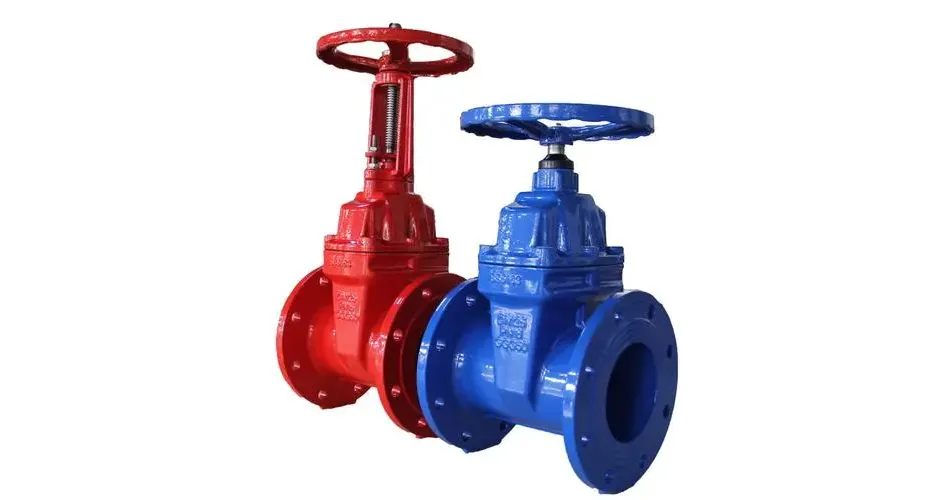

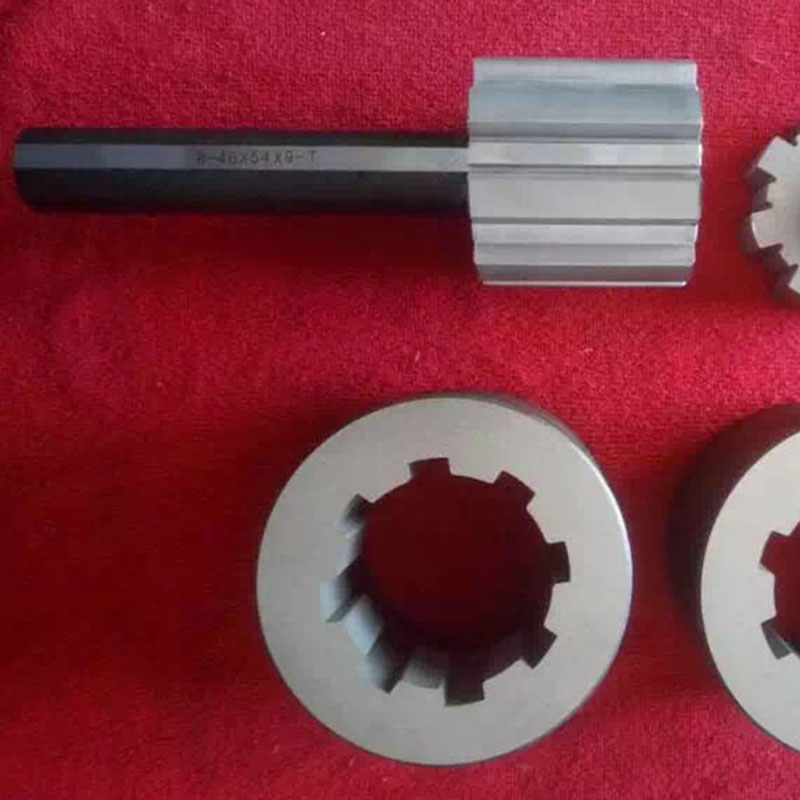

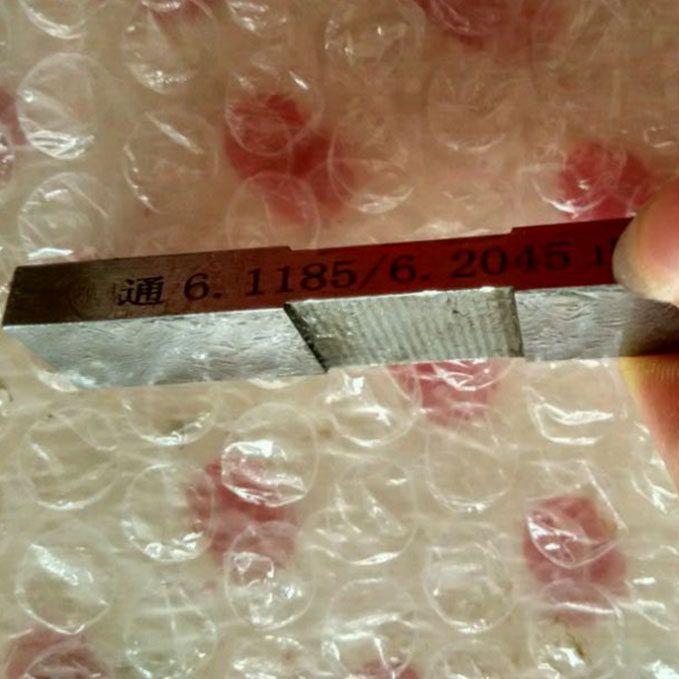
news and information
workbench fabrication table for efficient welding projects and workspace organization
The Importance of a Workbench Welding Table in Modern Fabrication In the realm of metalworking and f
Viertelzoll-Klappenventil mit 4 Zoll Durchmesser für industrielle Anwendungen
4 Zoll Messerabsperrventil Eine wichtige Komponente in der Industrie Das 4 Zoll Messerabsperrventil

Válvula de gate de 400mm para sistemas de tubulação industriais e comerciais
400mm gate valve .
 English